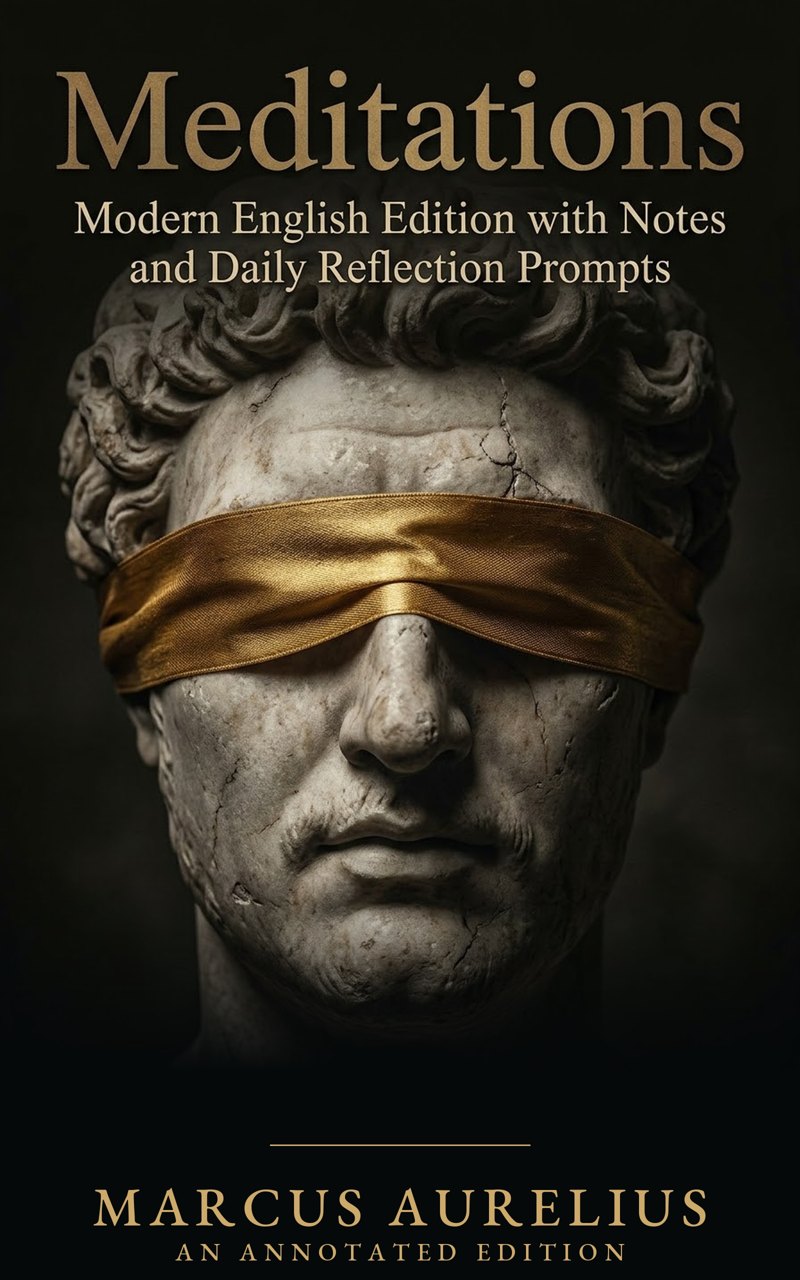
Made easy to read, and easy to use
Marcus Aurelius ruled the Roman Empire from 161 to 180 AD. In his private notebooks he wrote short reminders to himself: how to stay calm with difficult people, how to do his duty, how to face loss and death, and how to keep his mind clear. Those notes became the Meditations. This edition keeps all twelve books and adds a layer for people who want to put the ideas into practice.
The text
All twelve books in plain modern English, re-worded from George Long's classic translation, each opened by a short introduction.
The note
A plain-language note under almost every section (482 of 487), explaining what Marcus meant and how a Stoic would use it.
The reflection
One question after each note, to turn reading into practice. Read a section or two a day. Write one answer.
Book II, section 1
How a page of the book reads: the text, then the note, then the question.
Section 2.1
Begin the morning by saying to yourself: today I will meet the busybody, the ungrateful, the arrogant, the deceitful, the envious, the unsociable. All these things happen to them because they do not know what is good and what is evil. But I have seen the nature of the good, that it is beautiful, and of the bad, that it is ugly. […] So I cannot be harmed by any of them, for no one can fasten what is ugly on me. Nor can I be angry with my relative, or hate him. For we are made to work together, like feet, like hands, like eyelids, like the rows of upper and lower teeth.
Note: Marcus prepares in the morning for the difficult people he will meet, such as the busybody and the deceitful. He puts their faults down to ignorance of good and evil, and holds that no one can fasten what is ugly on him. They are also his kin, sharing the same intelligence, made to work together like hands or teeth. So anger and turning away go against nature.
Reflect: Who is the person you are most likely to clash with today, and how would you treat them if you saw them as a relative who simply does not know better?
Shortened here with […]; the book prints the whole section.
Every book opens on its own page
An illustrated opener, then a short introduction, then the sections.
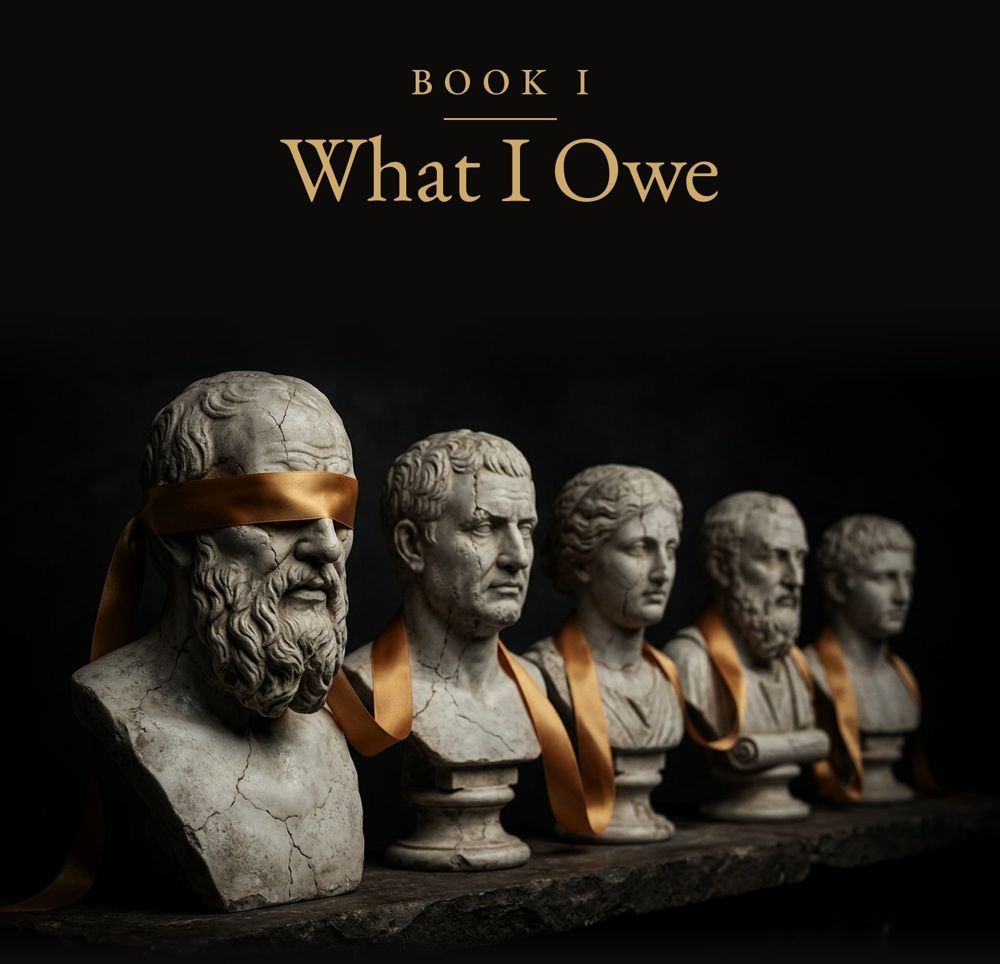
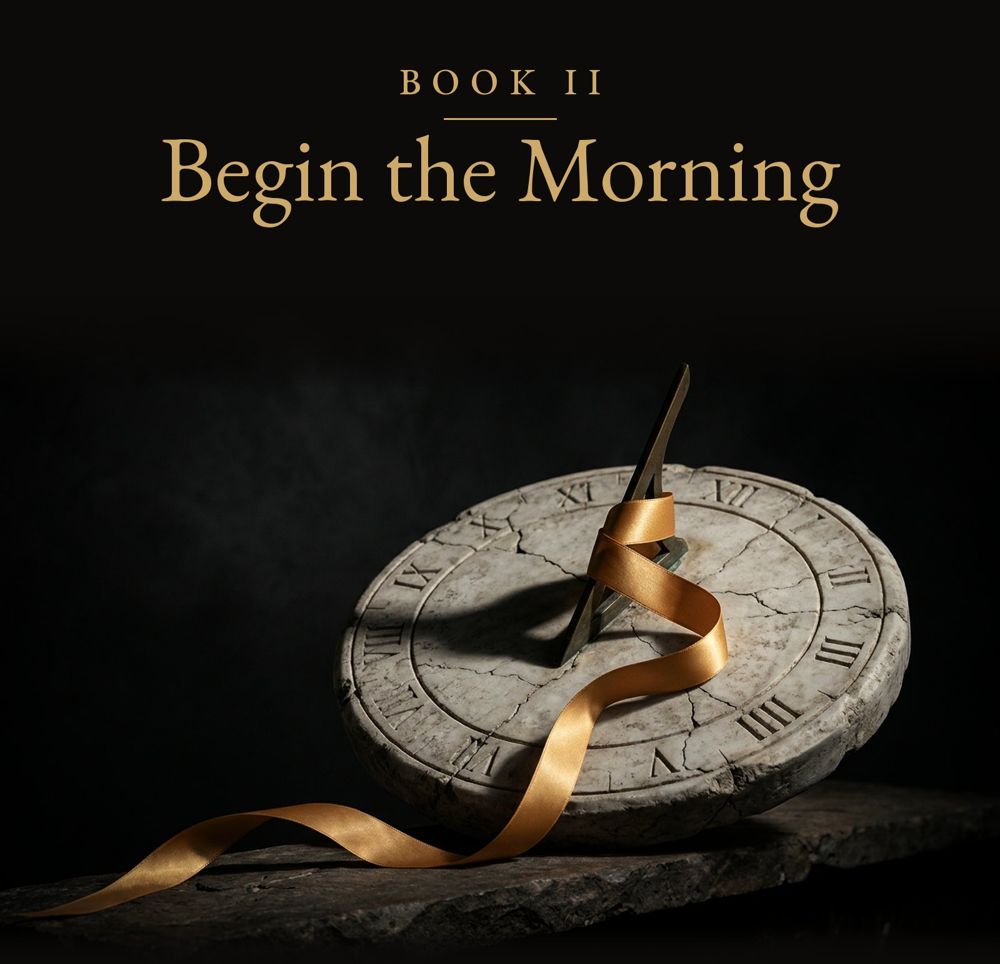
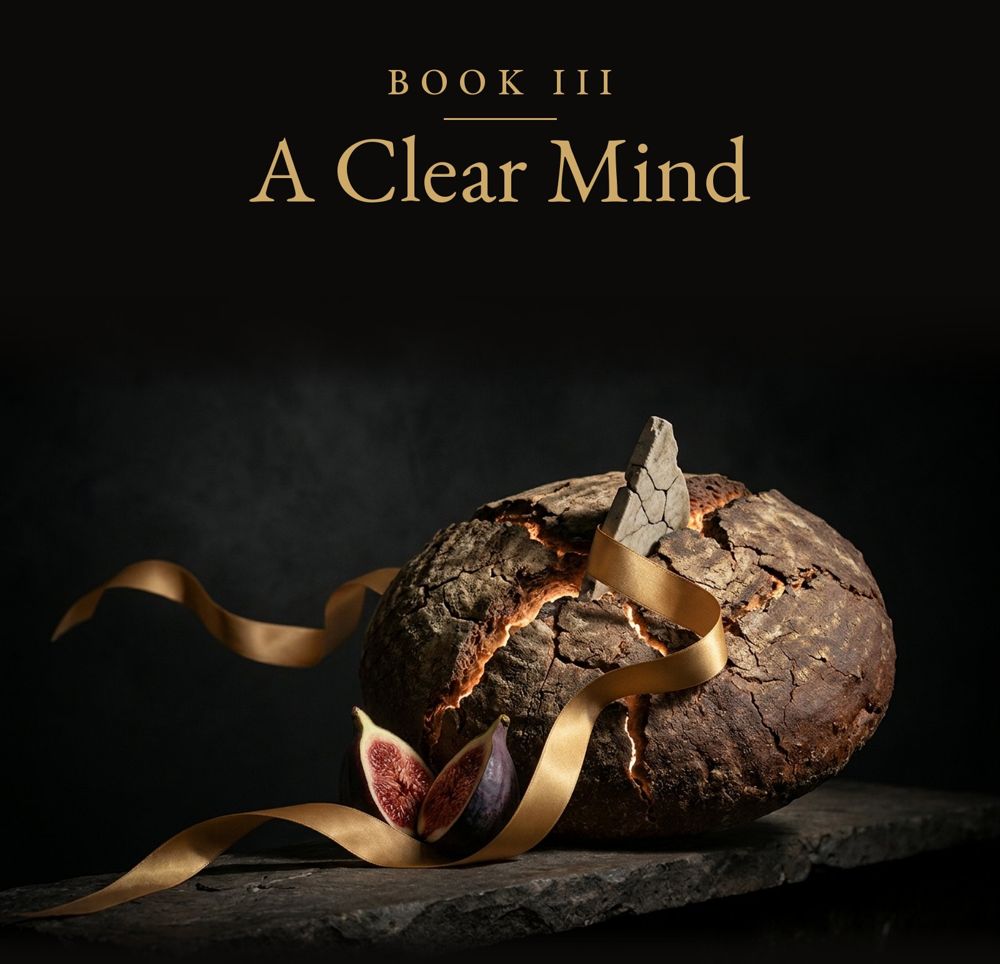
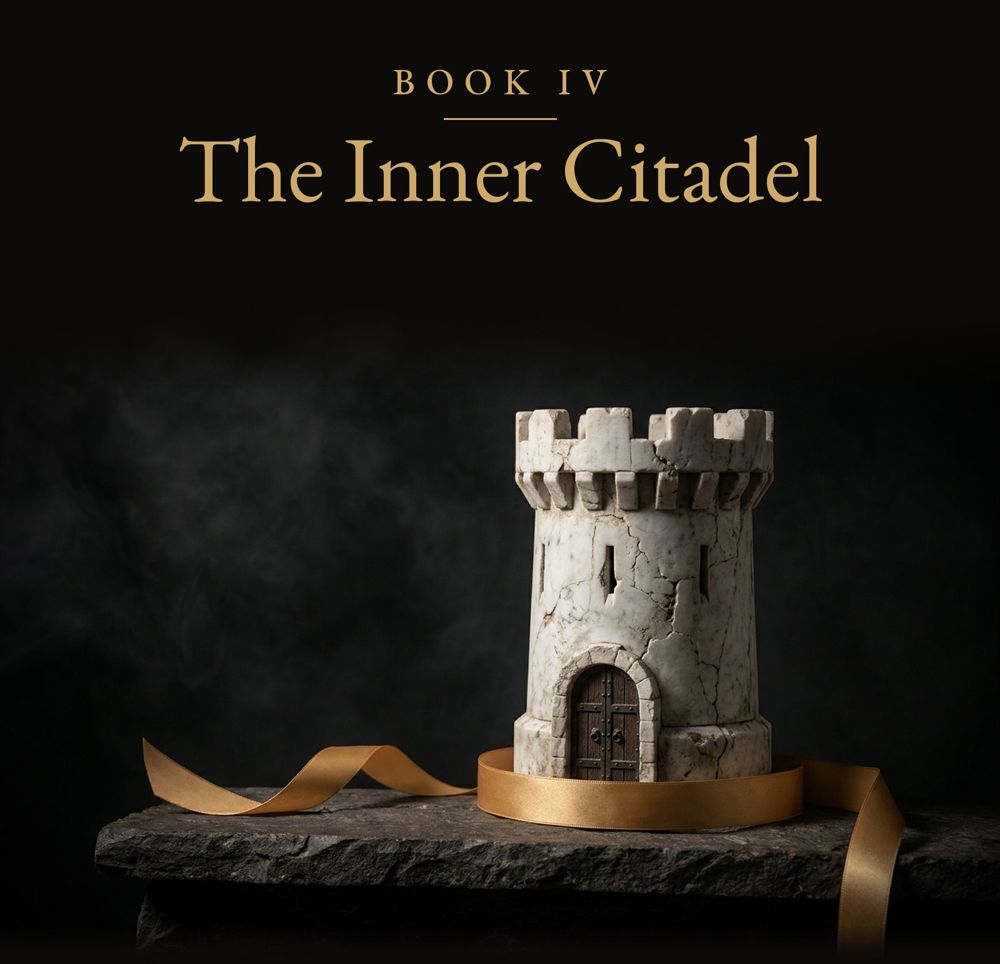
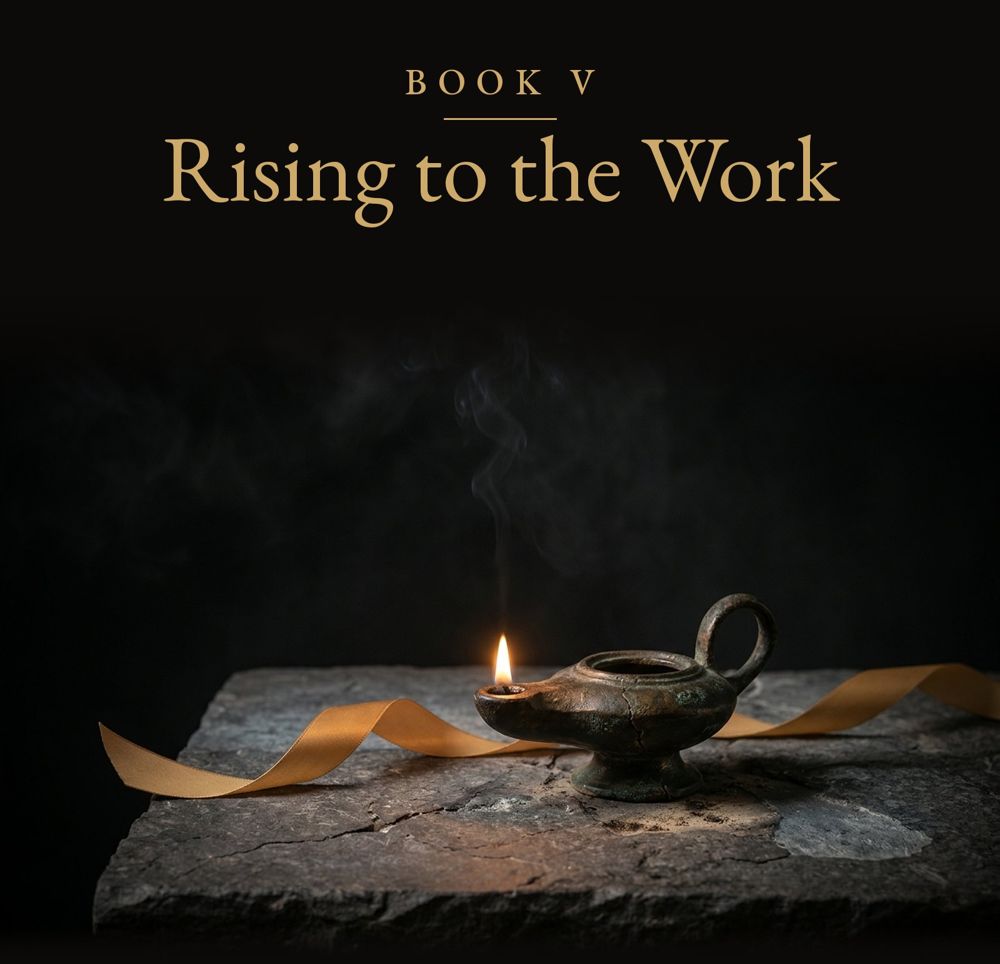
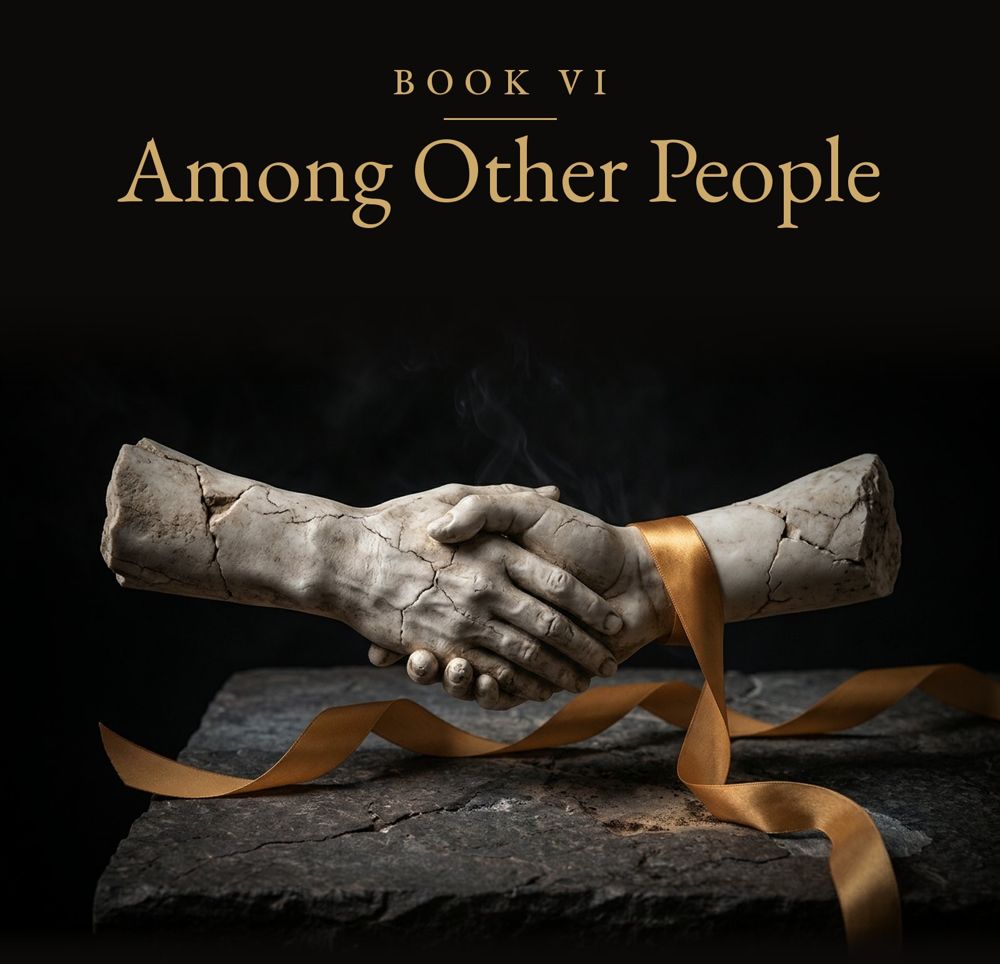

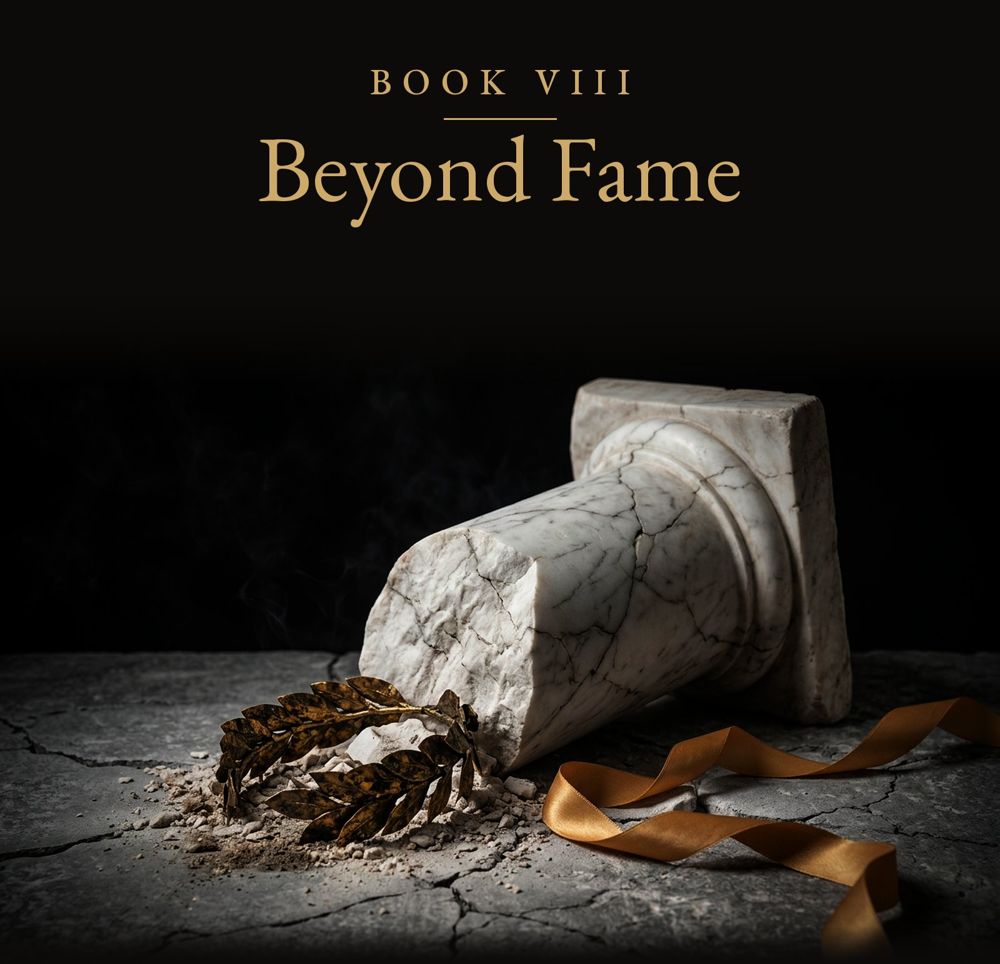

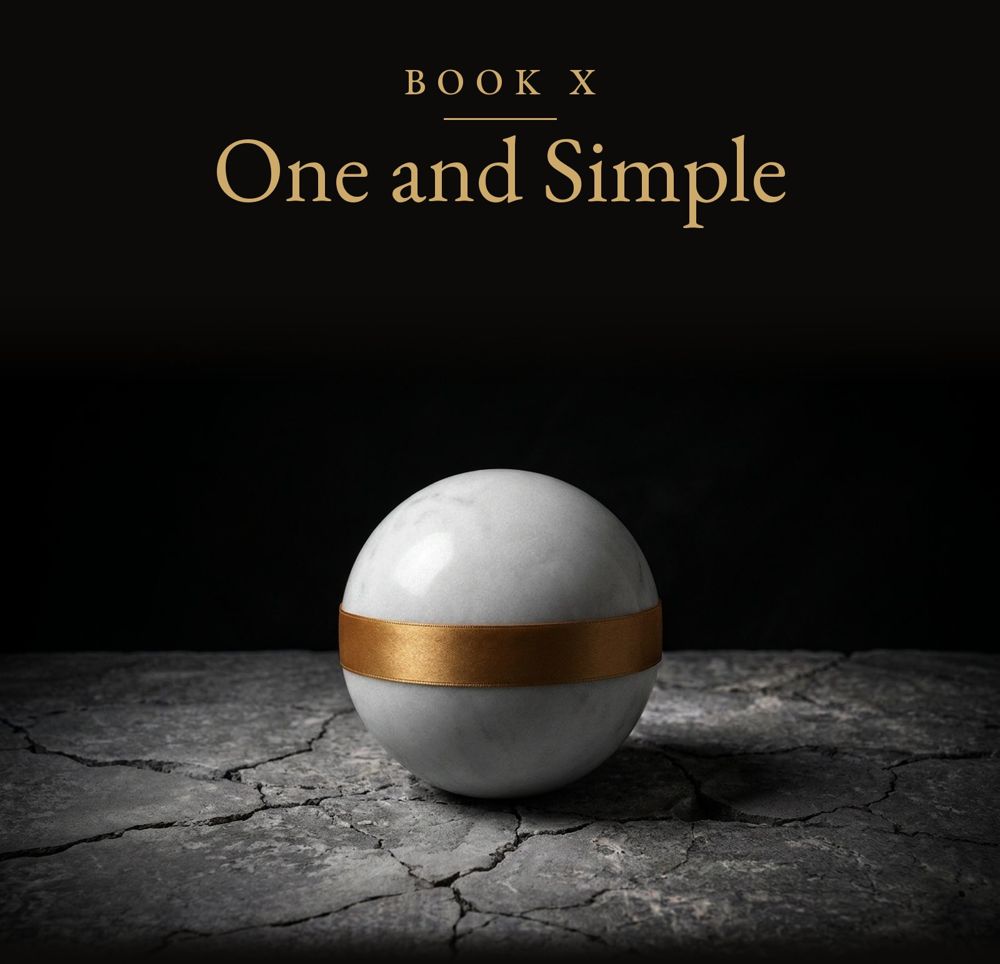

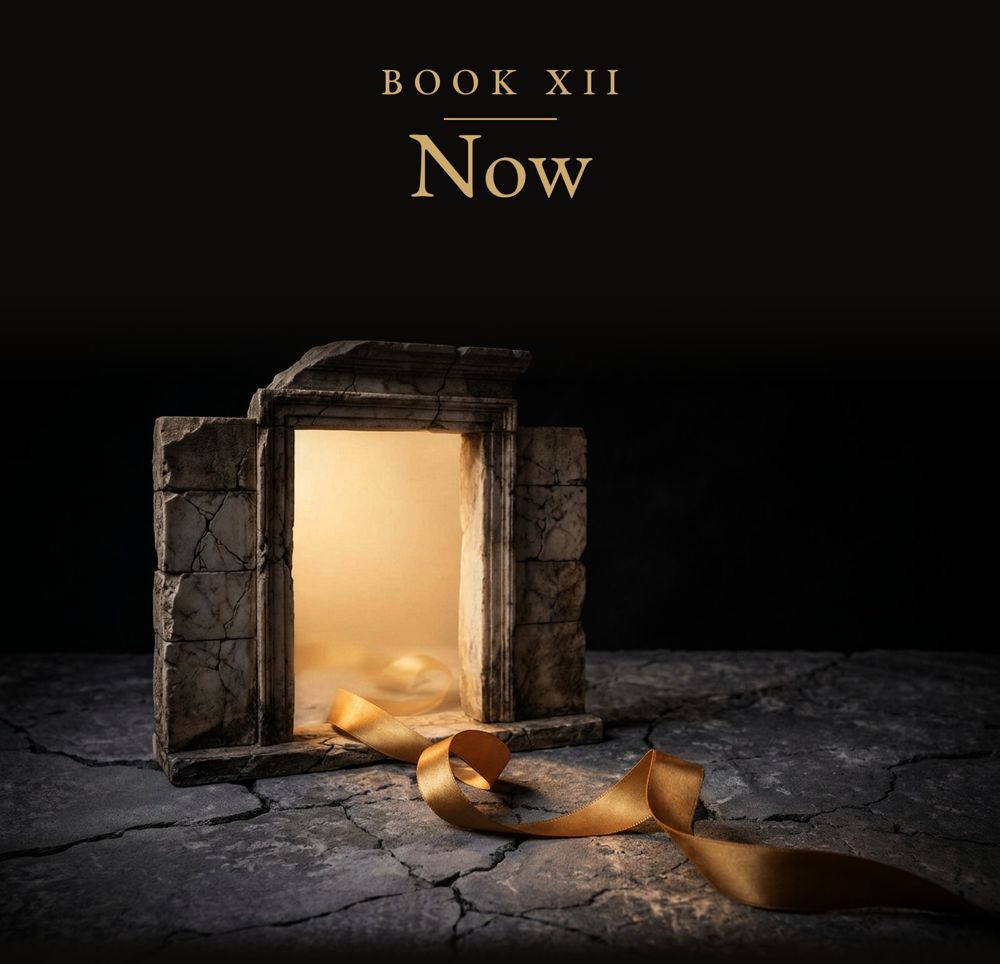
Thirty-six small illustrations
Quiet pictures placed through the books, to give the eye a place to rest.


































Inside the edition
- All twelve books in plain modern English, re-worded from George Long's translation
- A short introduction to each book
- A note under almost every section (482 of 487) in plain language
- A reflection question after each note
- Twelve illustrated chapter openers and 36 small illustrations
- A short Stoic toolkit with section references, and a simple morning and evening practice
Before you read
Is this a new translation of the Meditations?
No. The text is George Long's English translation (public domain), re-worded into plain modern English. The notes, reflection questions, book introductions and illustrations are new.
How is it different from other editions such as Gregory Hays's?
Other editions, including Gregory Hays's, are separate translations from the Greek. This book is not a new translation and is not affiliated with them. Its difference is the study layer: a plain-language note and a reflection question under 482 of the 487 sections.
Is this a journal I write in?
No. It is a reading edition. Each reflection question is meant to be answered in a notebook or in your head; the book does not include blank writing pages.
Why do some sections have no note?
Five sections (7.39, 7.41, 7.42, 7.43 and 7.51) are fragments of a sentence, so they are included without a note.
Is it medical or psychological advice?
No. It is for learning and personal reflection.
| Title | Meditations (Annotated) |
|---|---|
| Subtitle | Modern English Edition with Notes and Daily Reflection Prompts |
| Author | Marcus Aurelius |
| Translator | George Long (1800–1879; original translation in the public domain) |
| Editor | Nawin Srathongta |
| Format | eBook: EPUB (e-readers, Kindle apps, Apple Books) and PDF |
| Language | English |
| ASIN (Kindle) | B0HS4TSHBV |
| First published | 17 November 2026 |
Read one or two sections a day. Write one answer. See what changes.
Get the ebook (EPUB + PDF)Kindle edition on Amazon